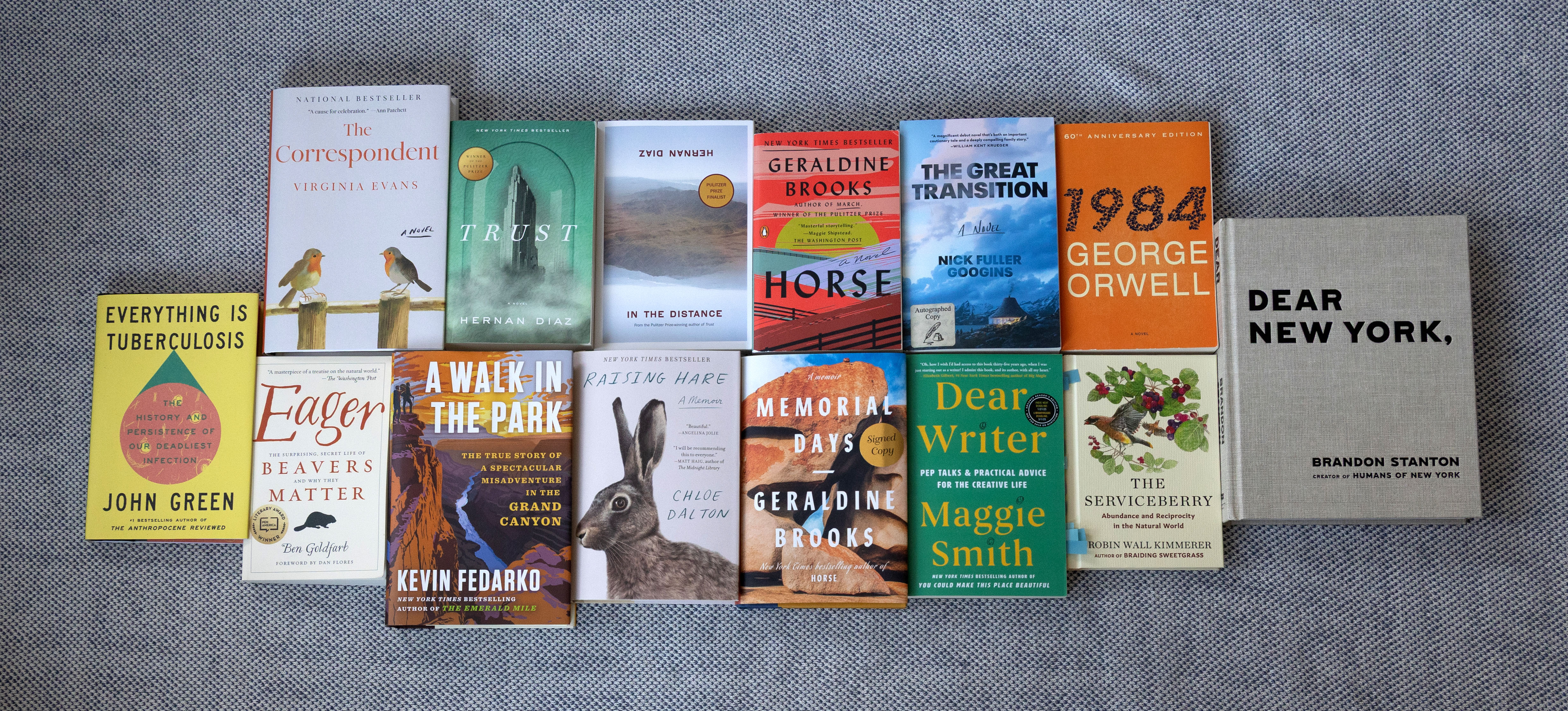
Best, Top, Favorite, Award-Winning—I readily click on all those end-of-the-year book lists to see what releases I’ve overlooked and which I should bump to the top of my To-Read pile. I also enjoy hearing which books friends loved and recommend and then sharing some of my own. So, here’s yet another book list to click on—the top fiction and nonfiction I read in 2025, rated 5 stars on Goodreads, and would recommend and buy for others. In fact, I ended up giving some of these as Christmas presents and putting a few in our Little Free Library.
Fiction
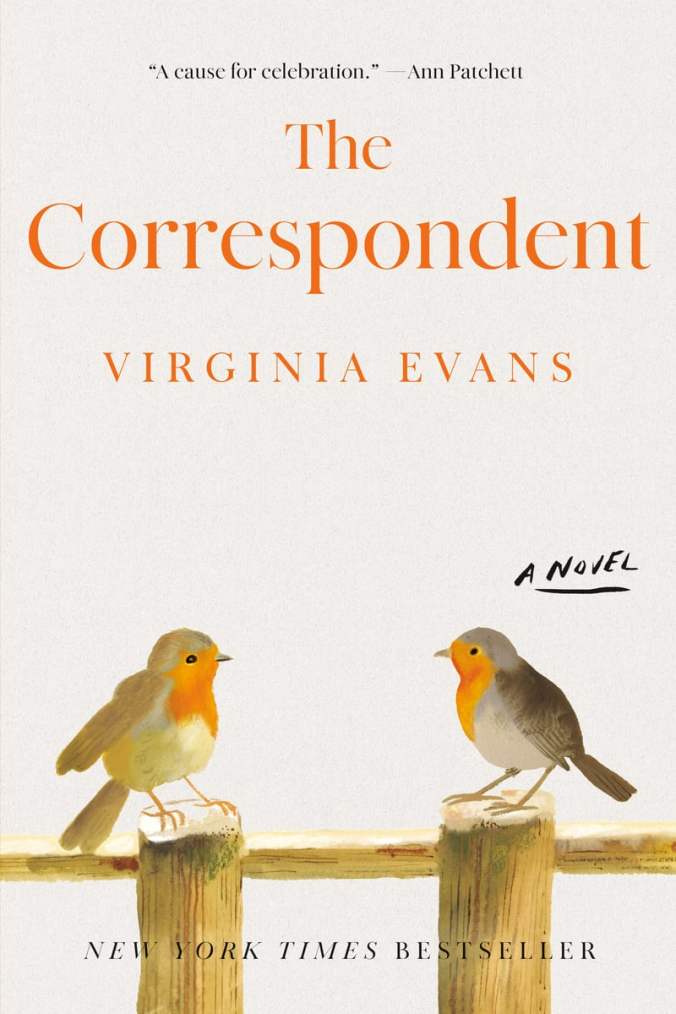
The Correspondent by Virginia Evans is an exceptional debut novel told entirely through letters. I had mixed feelings about Sybil Van Antwerp, the protagonist and chief letter writer, but that’s because, despite the cute cover, she feels like a real person with human faults and limitations, not a cozy, comfortable character. I’ve recommended this appealing book to a variety of people.
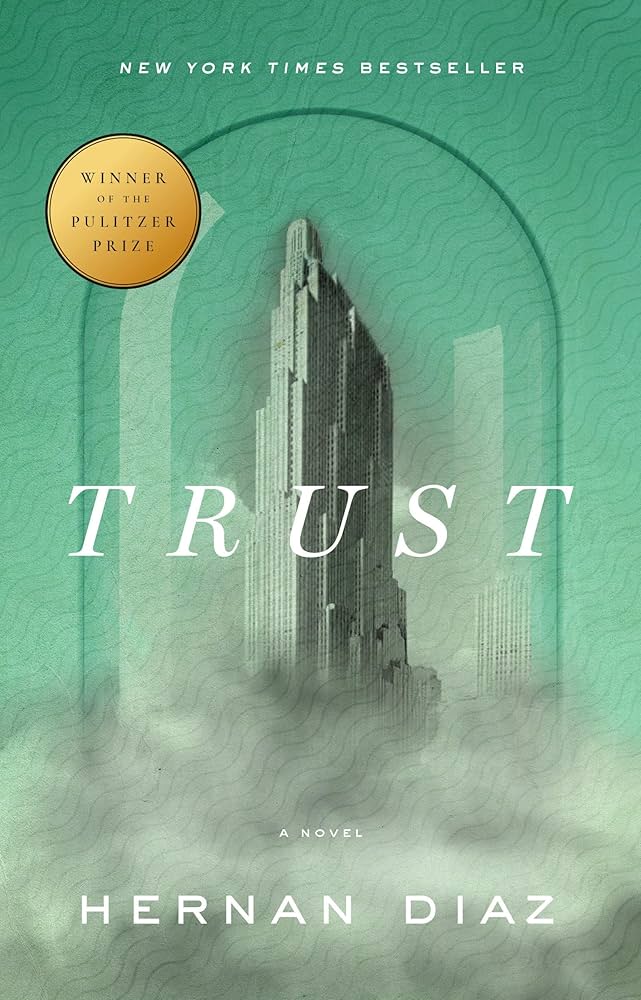
Trust by Hernan Diaz is an incredibly smart, original novel about early-20th-century wealth, power, and the banking industry. One description calls it a “brilliant literary puzzle”, which I love. A friend recommended it, and after finishing I wanted to start it again and tell others how incredibly talented this author is. You may love or hate it and its unique structure and points of view, but Diaz won the 2023 Pulitzer Prize for Trust, and I think he deserved it.
Trust led me to pick up Diaz’s excellent earlier novel, In the Distance, when I saw it in an airport bookstore. It follows a young, penniless immigrant Swedish boy’s journey from California eastward in hopes of finding his brother. While the story is still highly original, it’s more conventional in structure than Trust. Diaz’s debut was a Pulitzer Prize finalist in 2018 and has one of my favorite covers.
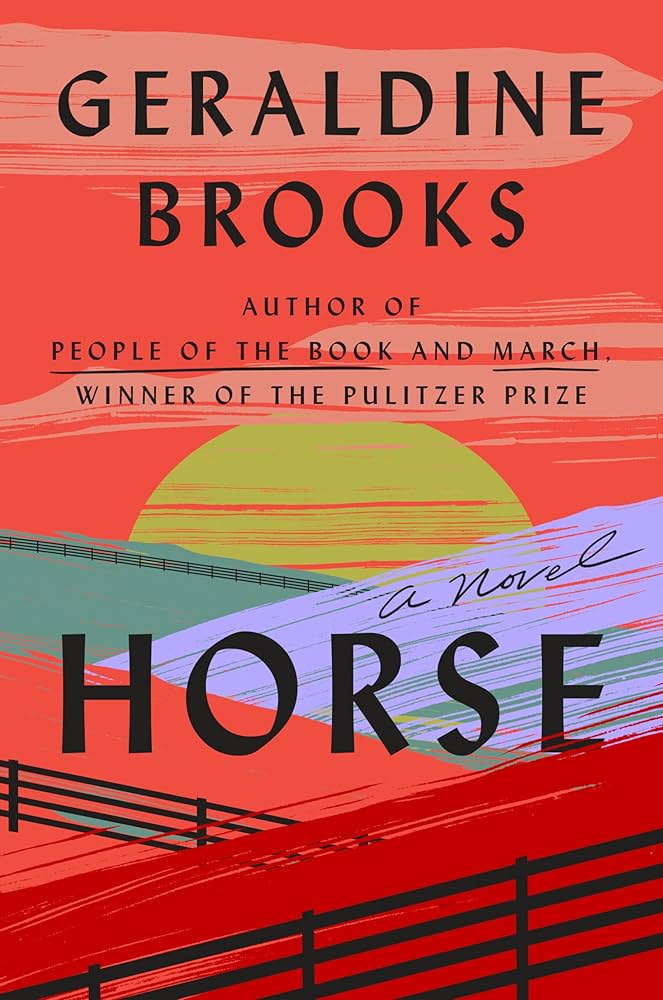
Horse by Geraldine Brooks is indeed about a horse—a real one, Lexington, one of the greatest racehorses and broodmare sires in American history. Brooks weaves together three timelines and stories (1850 Kentucky, 1954 New York City, and 2019 Washington, DC) around this one horse. While some sections were more compelling than others, overall, I enjoyed Horse and its scope, and after finishing it immediately looked up more info on the real Lexington.
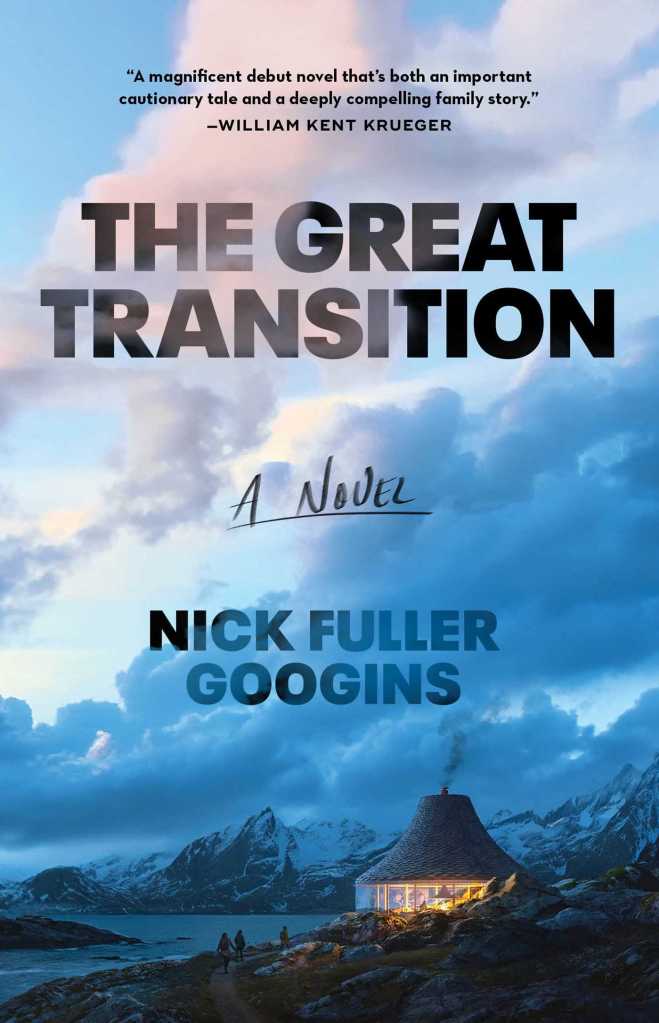
The Great Transition by Nick Fuller Googins is set in our near future, after a Great Transition has occurred due to the climate crisis and new societies have been forged. I don’t read much science fiction, but climate fiction isn’t exactly science fiction, is it? I enjoyed reading a different genre than I do typically, from the point of view of a teenager living in a post-crisis world. How will our future children and grandchildren judge our actions now? Plus, this debut is by a Maine author who’s also an elementary school teacher.
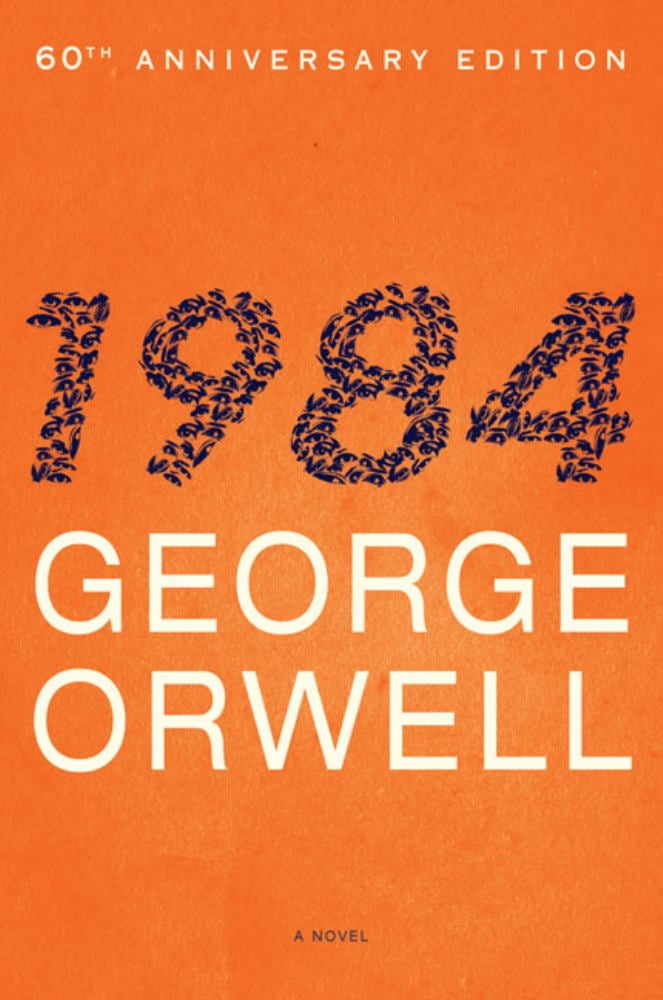
1984 by George Orwell has been out since 1949, and finally I got around to reading this definitive dystopian novel where war is peace, freedom is slavery, and Big Brother is watching. For a former English Literature major with a creative writing concentration, there are a surprising number of classics I’ve never read (so many books). But each time I read one I realize there’s a good reason it’s a classic. 1984 was as excellent as everyone has said for the past 76 years, but also felt far too timely in 2025.
Nonfiction
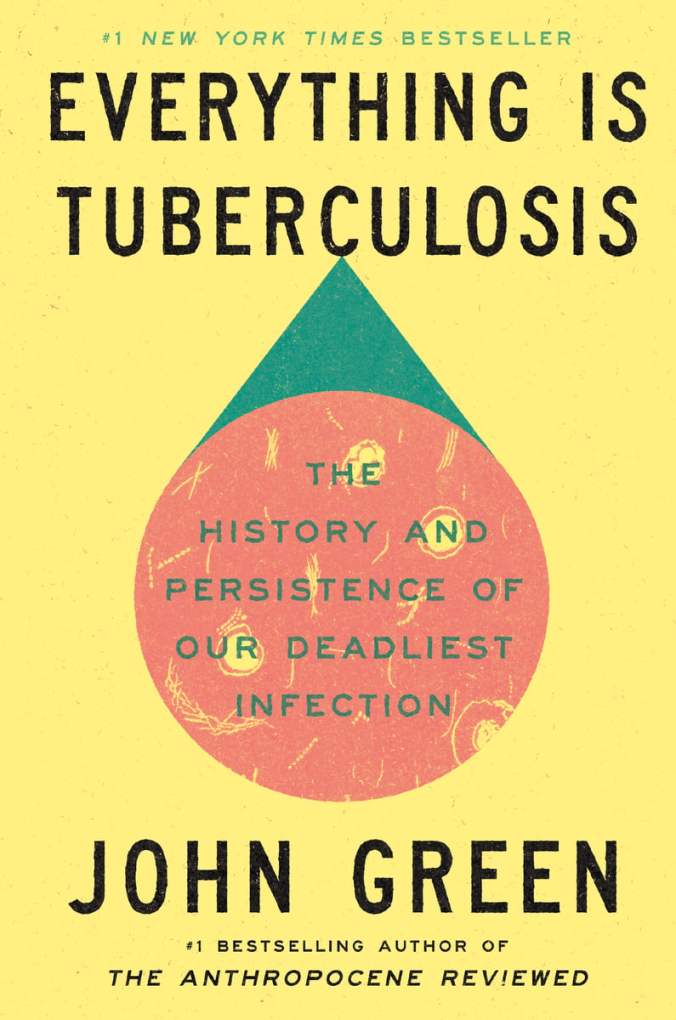
Everything Is Tuberculosis: The History and Persistence of Our Deadliest Infection by John Green tells the scientific, social, and personal histories of tuberculosis. A book about TB may be a tough sell, but this is a Very Important Book that I’d recommend anyone/everyone read. Despite the subject, it’s also highly readable and engaging and made me think more deeply about public health and funding choices and the people they affect around the world. I keep bringing it up in conversation and urging people to read it.
Not a 2025 read, but I also highly recommend Green’s The Anthropocene Reviewed: Essays on a Human-Centered Planet.
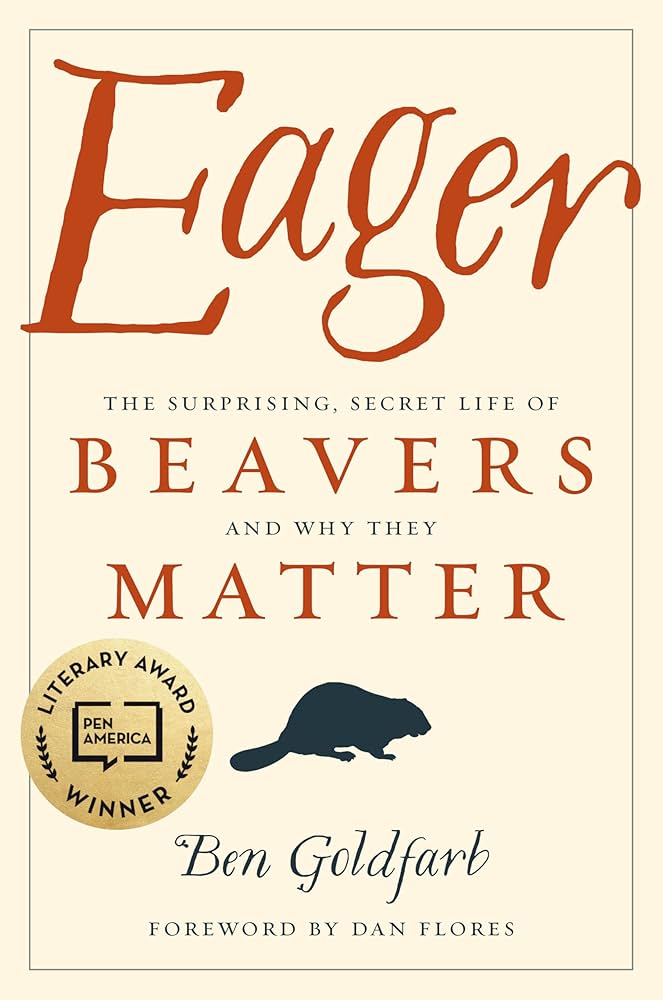
Eager: The Surprising, Secret Life of Beavers and Why They Matter by environmental journalist Ben Goldfarb is the other Very Important Book I’ve been recommending others read this year. It’s about the mass removal of North America’s largest rodent thanks to the fur trade and how that’s shaped our ecosystems, water quality, wildlife habitat, and much more. I am officially a Beaver Believer after reading Eager and to an annoying degree keep strongly suggesting others please, please read this book.
Not a 2025 read, but I also highly recommend Goldfarb’s Crossings: How Road Ecology Is Shaping the Future of Our Planet.
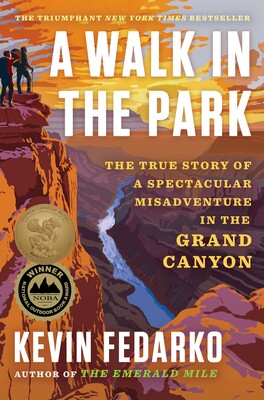
A Walk in the Park: The True Story of a Spectacular Misadventure in the Grand Canyon by Kevin Fedarko chronicles his and photographer Peter McBride’s year-long effort to find and follow a 750-mile footpath along the length of the Grand Canyon. It’s an entertaining and informative adventure story. Also, for a fairly outdoorsy person, it is shocking that I have never been to the Grand Canyon, and this book reminded me of why I need to go. Soon.
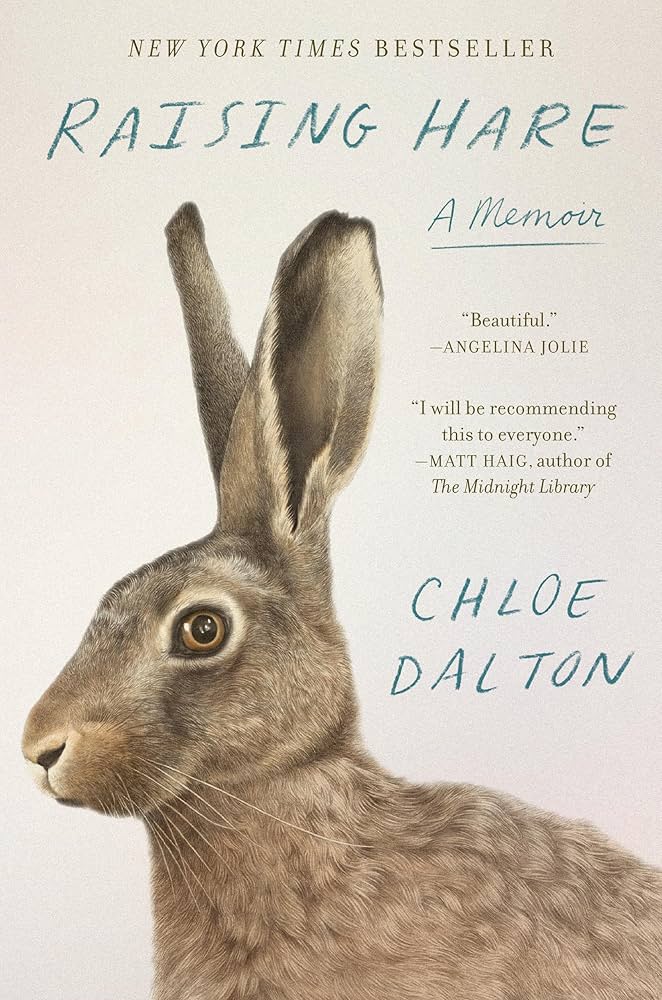
Raising Hare: A Memoir by Chloe Dalton recounts Dalton’s efforts to save a newborn hare, or leveret, while in Covid lockdown in the English countryside. I have mixed feelings about people directly interacting with wild animals, even with good intentions, but this respectful memoir is an exception. While related, hares are not rabbits but different species with differing social structures and behaviors, and while many people keep and raise rabbits, wild hares do not thrive in captivity. I was rooting for Dalton and the leveret, and reminded that wild animals are distinct individuals as well with their own relationships and connections.
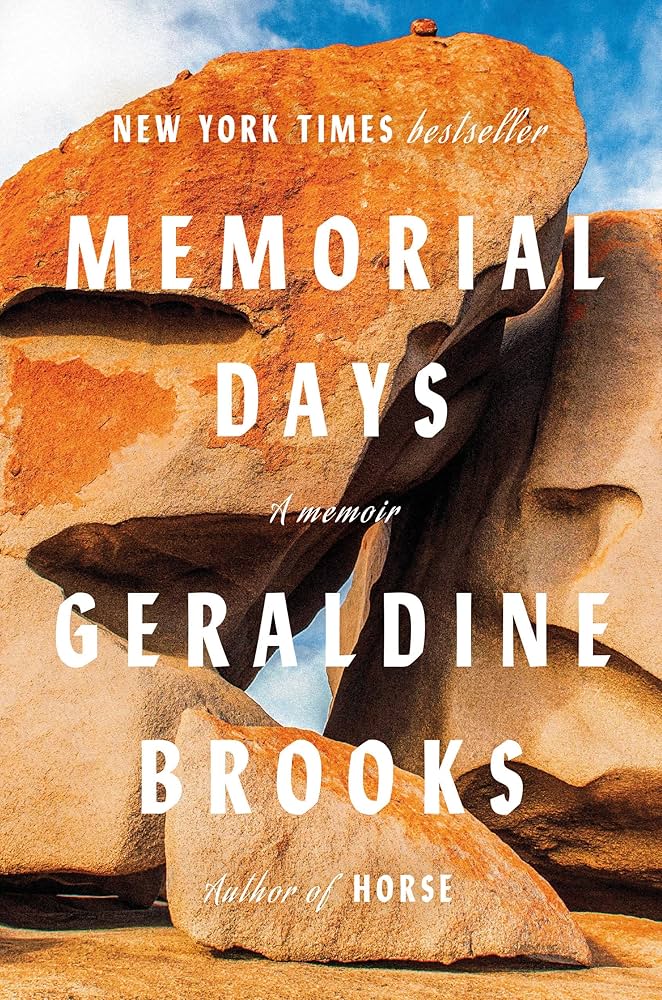
Memorial Days by Geraldine Brooks is a memoir about navigating grief after the sudden unexpected death of her husband and fellow author, Tony Horwitz (Bonus recommendation: Horwitz’s 2002 Blue Latitudes: Boldly Going Where Captain Cook Has Gone Before). I found Memorial Days moving not maudlin. Interestingly, Brooks was working on Horse (see above) when Horwitz died.

Dear Writer: Pep Talks & Practical Advice for the Creative Life by author and poet Maggie Smith came to me via a Goodreads giveaway. And I’m glad it did. While I’d never read Smith’s works before (since rectified), I enjoyed her lessons and outlooks on the ten essentials of writing: attention, wonder, vision, play, surprise, vulnerability, restlessness, tenacity, connection, and hope. My copy is interspersed with sticky notes for all her excellent advice.
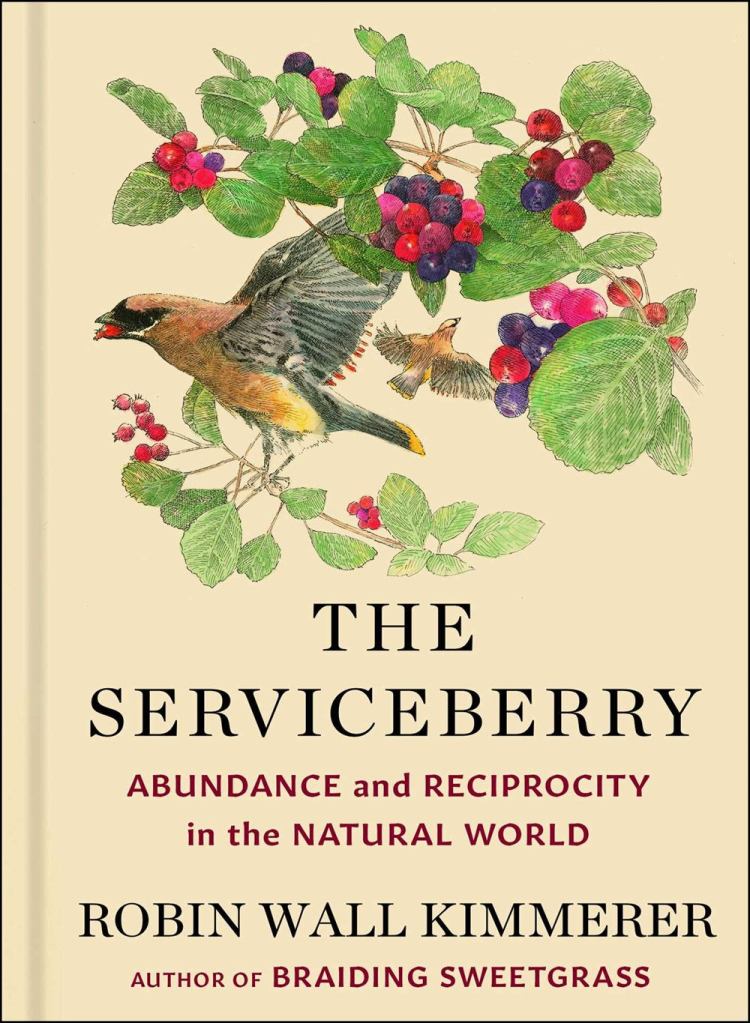
The Serviceberry: Abundance and Reciprocity in the Natural World by Robin Wall Kimmerer (John Burgoyne, illustrator) is a little gem on the ethics of gratitude, reciprocity, and community. Indigenous scientist Kimmerer is best known for Braiding Sweetgrass, but her other books are also worth your time (I plan to read Gathering Moss: A Natural and Cultural History of Mosses). Kimmerer mentions Little Free Libraries in The Serviceberry, and I have one, so maybe I’m just feeling good about myself, but to make it full circle, I’ve given away a copy of her book in my LFL.
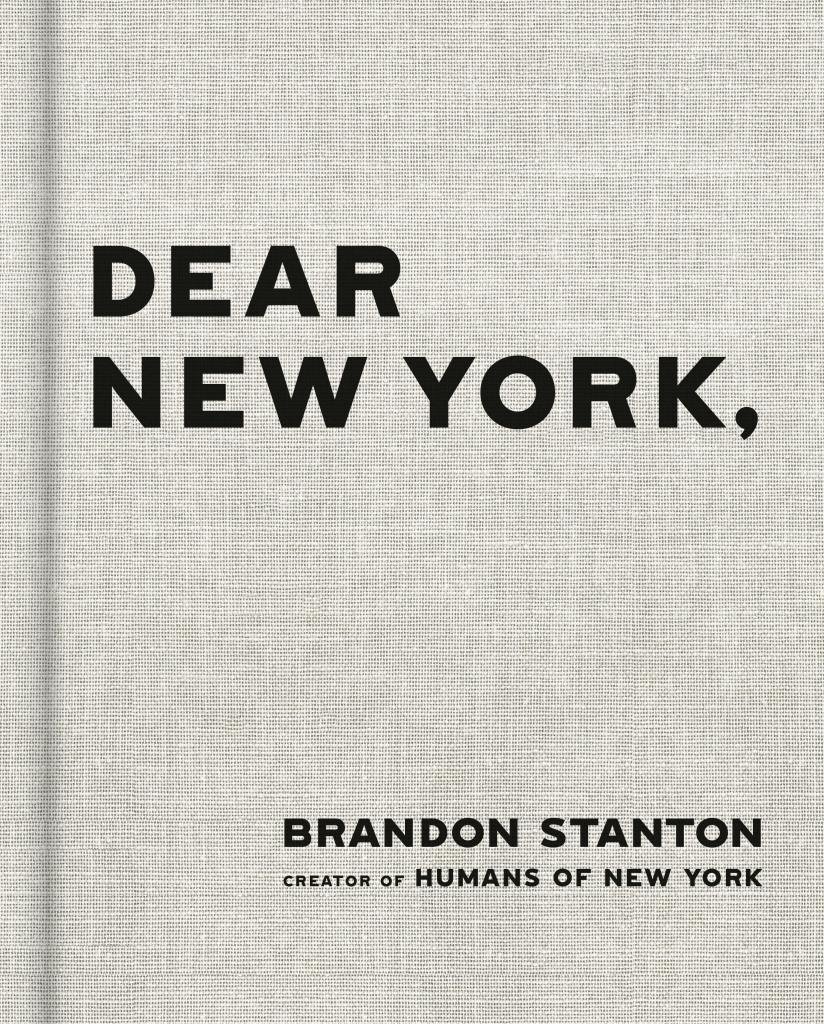
Dear New York, by Brandon Stanton, creator of Humans of New York, presents illuminating/funny/witty/tender/thought-provoking short profiles of individuals across the city through a few quotes and photos. I love and am impressed by Stanton’s ability to distill a person or moment into a few words. You don’t need to be a New Yorker to appreciate Stanton’s work or subjects, just be interested in people and open-minded about the diverse human experience.
Honorable Mentions
I read 80 books in 2025, down from the 100 I’ve aimed for in recent years, but I’ve found trying to squeeze more books in just to hit an arbitrary number isn’t the best way to approach reading. Regardless, a lot of books were read; so here are some of my four-star reads in case any catch your interest.
Fiction
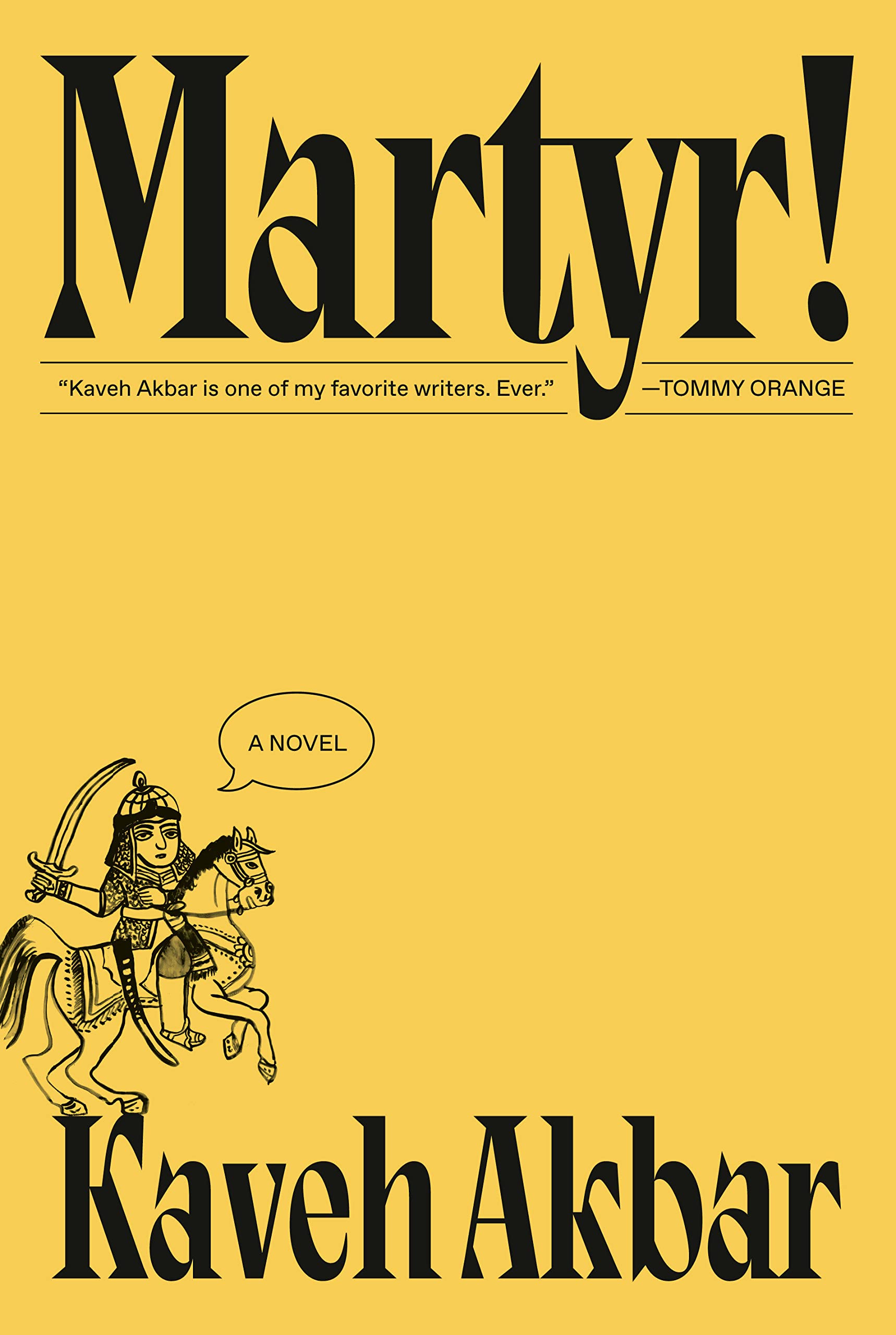


- Martyr! by Kaveh Akbar
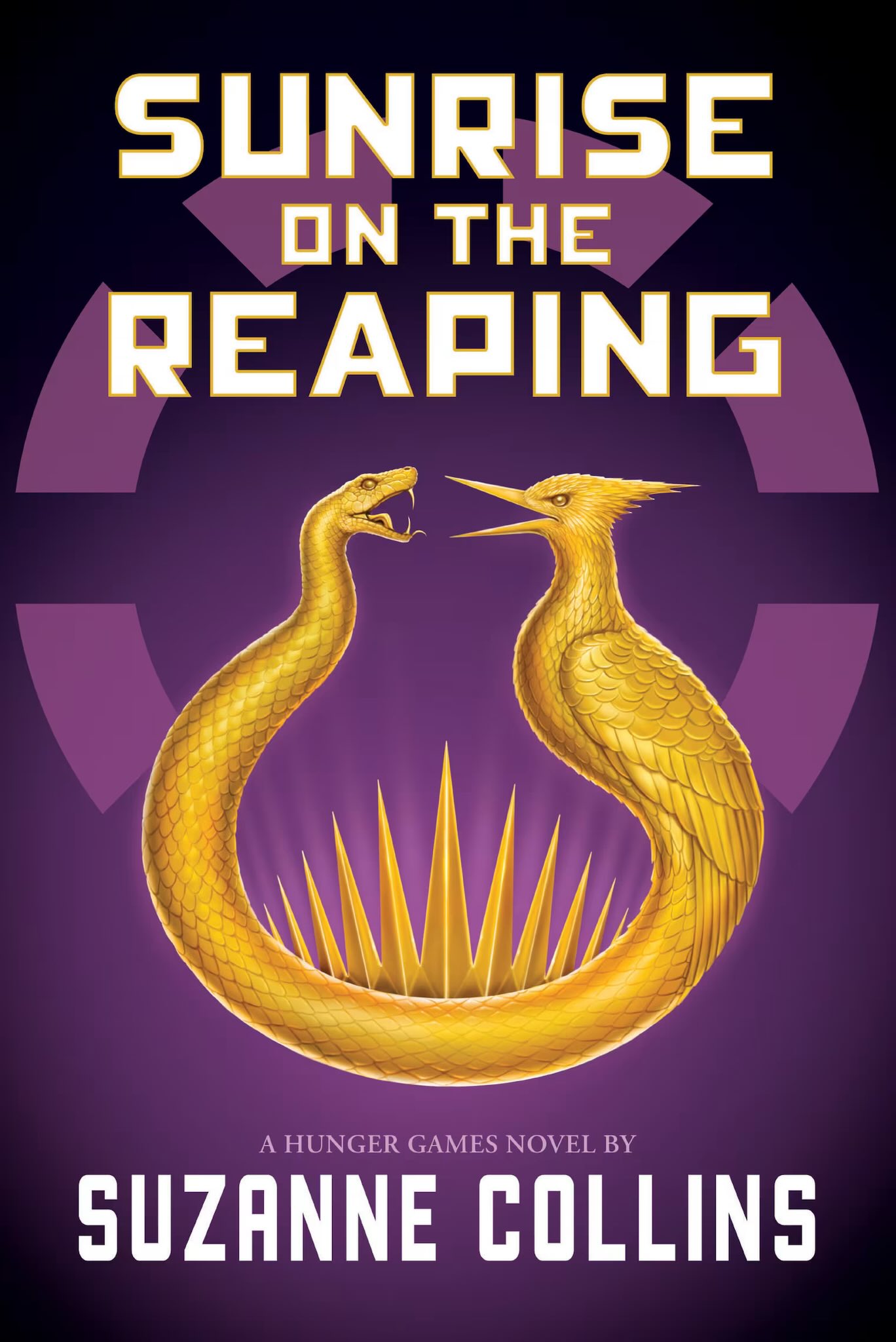
- Sunrise on the Reaping (Hunger Games #0.5)by Suzanne Collins
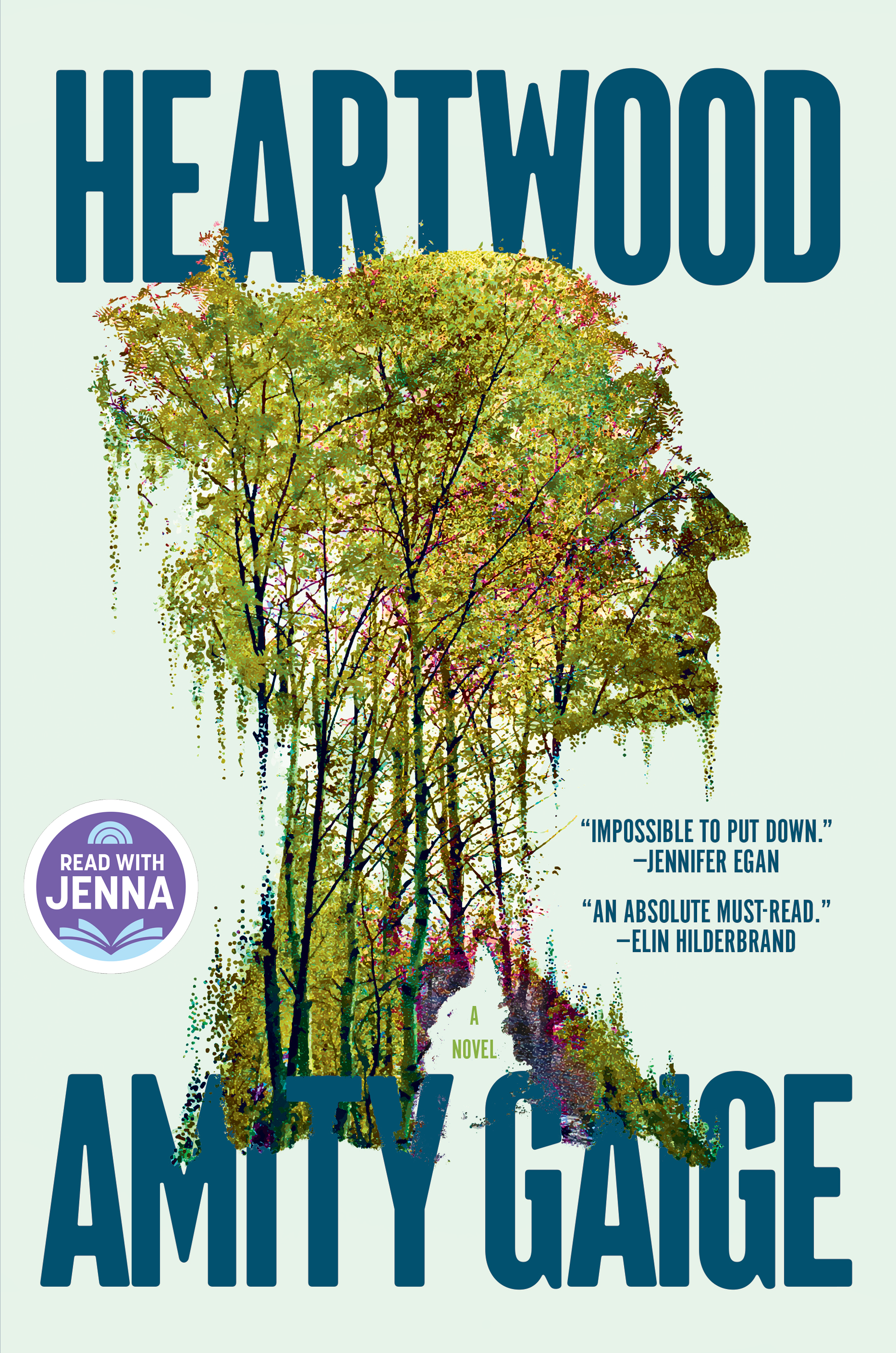
- Heartwood by Amity Gaige
- One Good Thing by Georgia Hunter
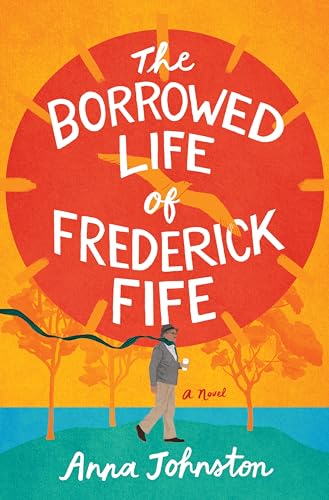
- The Borrowed Life of Frederick Fife by Anna Johnston
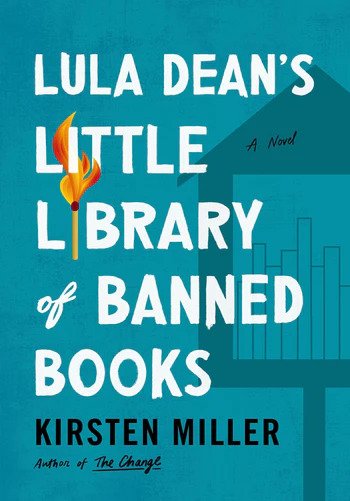
- Lula Dean’s Little Library of Banned Books by Kirsten Miller
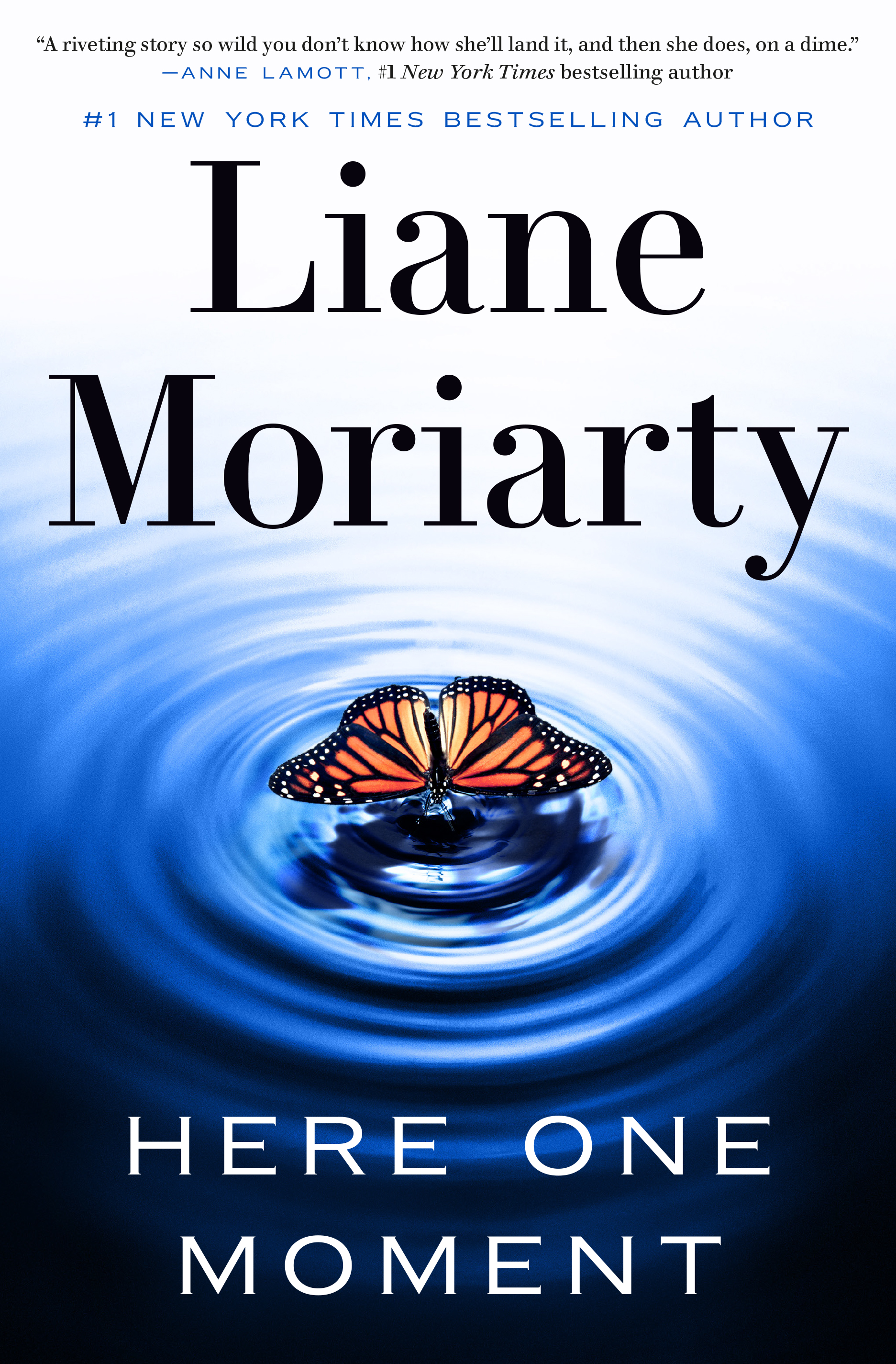
- Here One Moment by Liane Moriarty
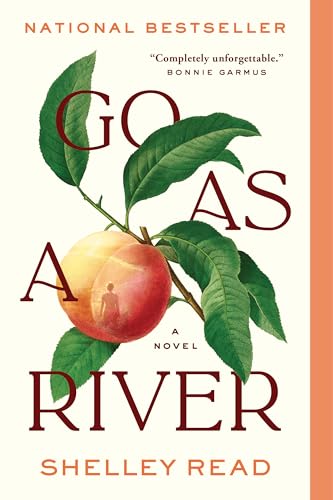
- Go as a River by Shelley Read
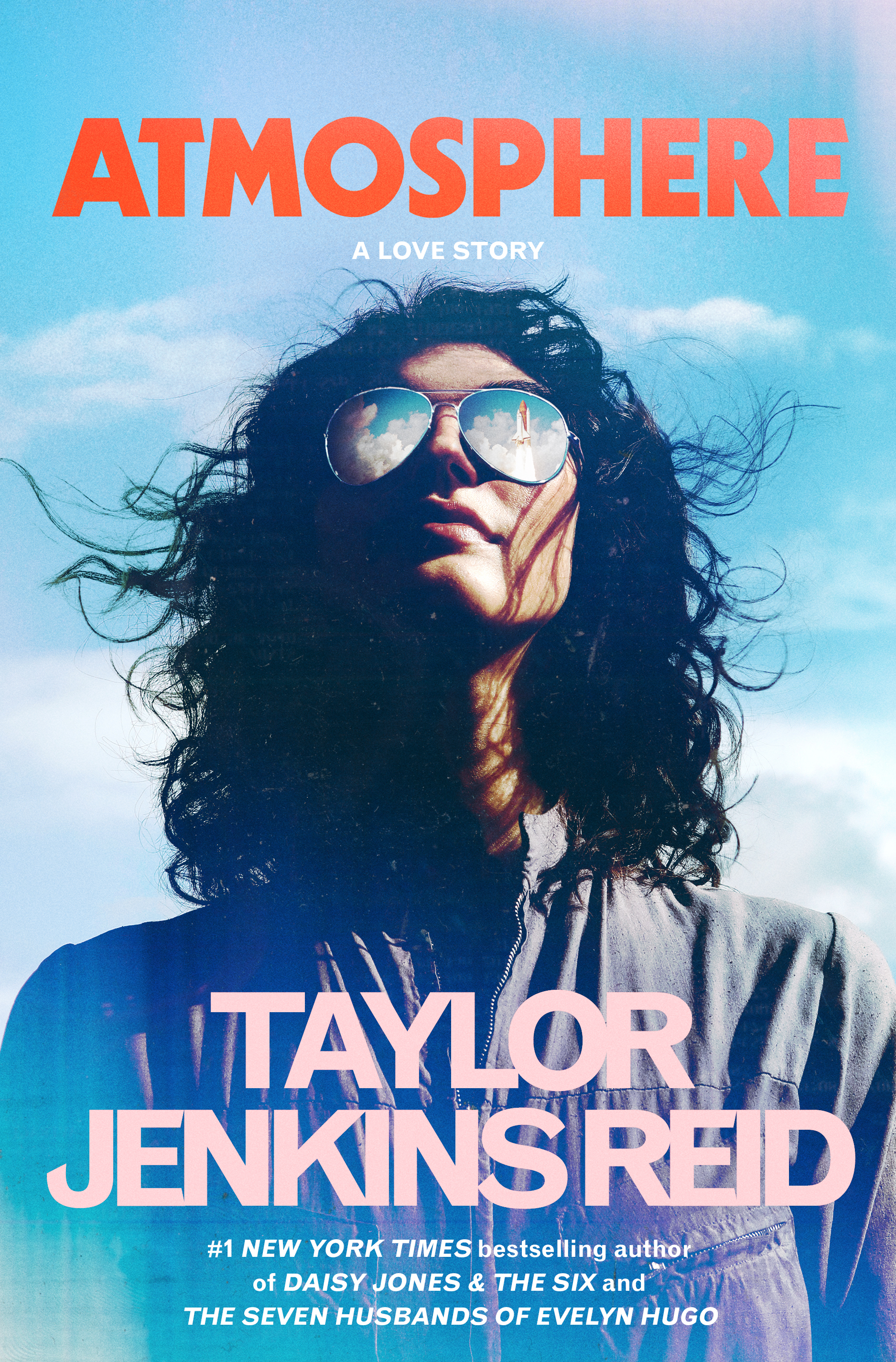
- Atmosphere by Taylor Jenkins Reid
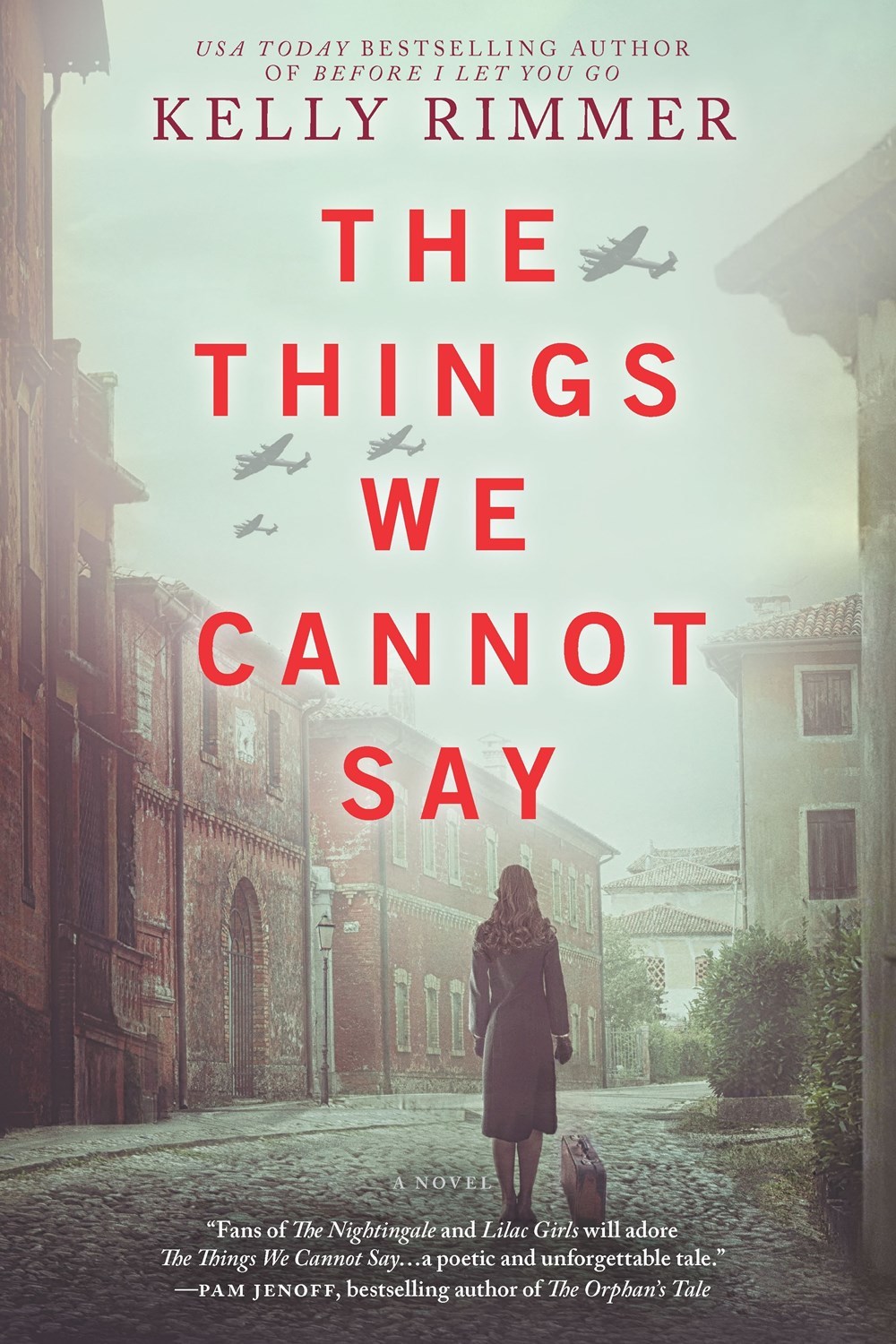
- The Things We Cannot Say by Kelly Rimmer
- The Last Letter by Rebecca Yarros
Nonfiction

- How To Be A Good Creature: A Memoir in Thirteen Animals by Sy Montgomery, Rebecca Green, Illustrator
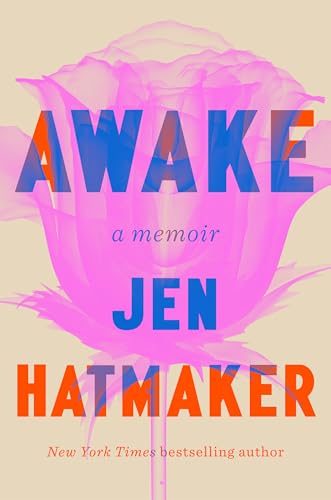
- Awake by Jen Hatmaker
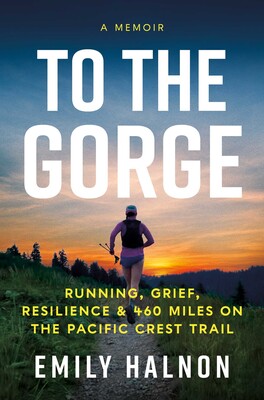
- To the Gorge: Running, Grief, and Resilience & 460 Miles on the Pacific Crest Trail by Emily Halnon
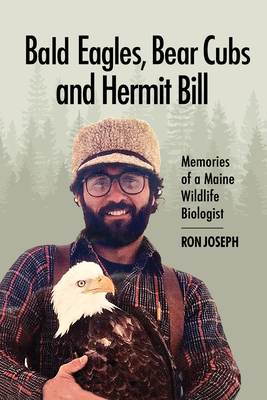
- Bald Eagles, Bear Cubs, and Hermit Bill: Memories of a Wildlife Biologist in Maine by Ron Joseph
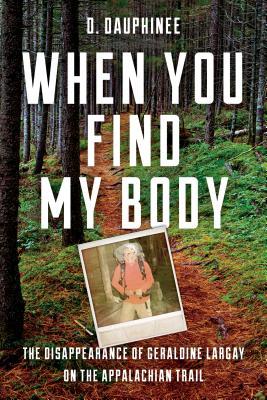
- When You Find My Body: The Disappearance of Geraldine Largay on the Appalachian Trail by D. Dauphinee
Support local independent bookstores in person or through Bookshop.org
 Bookswain